Home Workout Equipment for Small Spaces: What Earns Its Floor Space
Plenty of people want to train at home but have a corner of a bedroom rather than a garage. In a small space, every piece of equipment has to justify the floor it takes and the effort of getting it out. The good news is that a compact setup can cover strength, conditioning and mobility if you choose carefully.
Start with your goals and your floor
Decide what you want the space to support: general fitness, building strength, cardio, or recovery and mobility. Then measure the area, including ceiling height if you plan overhead movements, and check what is underneath. Upstairs flats and thin floors make dropping weights or jumping a problem for neighbours, which should influence what you buy.
The high-value basics
- A quality exercise mat. Thicker mats suit floor work and stretching; denser, thinner mats are more stable for standing exercises.
- Resistance bands. Loop bands and long bands with handles take almost no space and cover pulling, pressing and leg work. Look for bands sold by resistance level so you can progress.
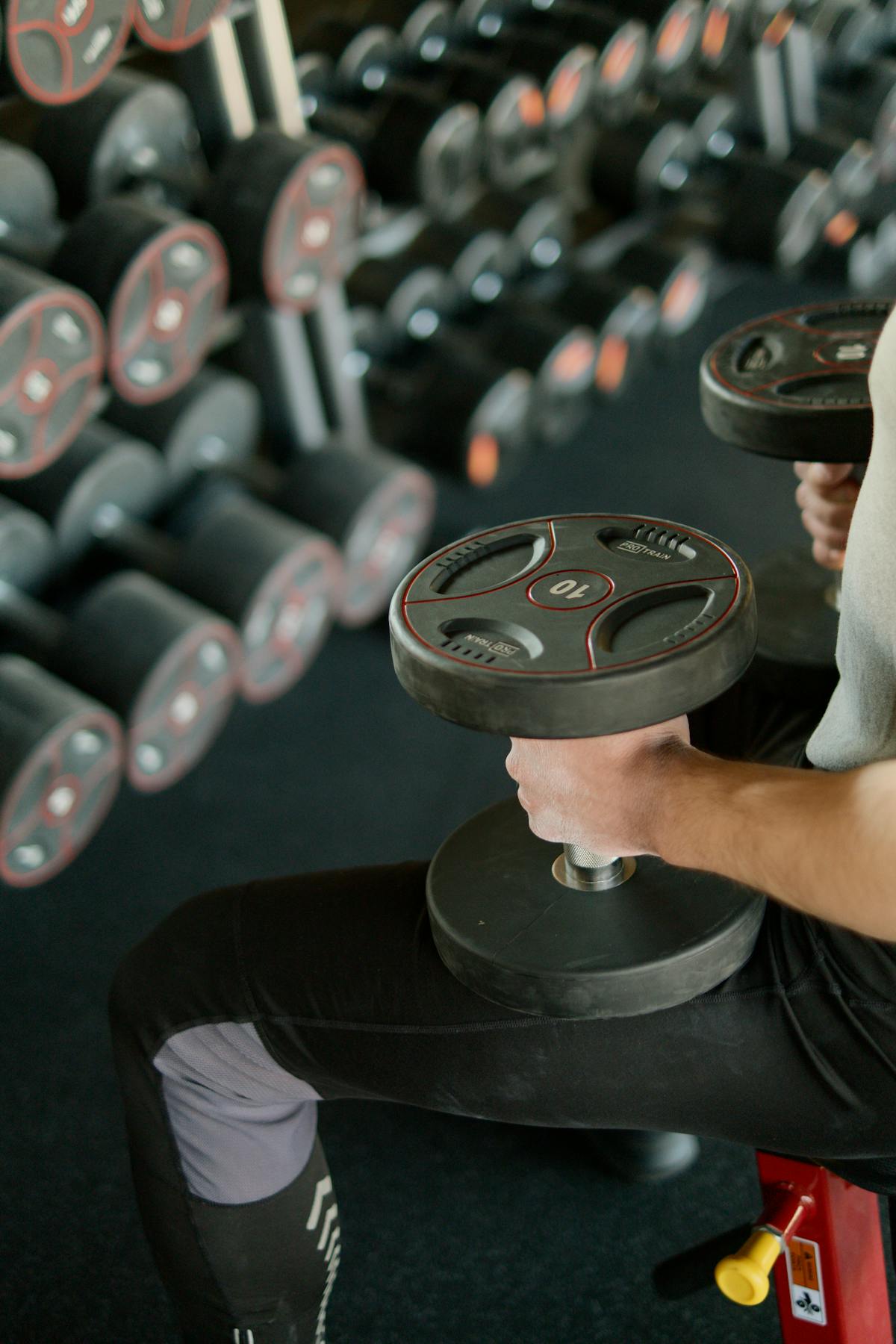
- Adjustable dumbbells. A single adjustable pair replaces a rack of fixed weights. Check the weight increments, how quickly the adjustment works, and the overall length of the handle at maximum weight.
- A doorway pull-up bar. It is one of the few ways to train vertical pulling at home. Confirm your door frame is suitable and check the weight limit.
Cardio equipment: think before buying
Treadmills, bikes and rowers are the items that most often become storage. If you want one, consider foldable or upright-storing models and be honest about whether you will use it more than a walk or run outside. Measure the footprint both in use and folded. A skipping rope is a far cheaper cardio option if your ceiling and floor allow it.
Useful extras
- A kettlebell covers swings, squats, carries and presses with one object; adjustable versions save space.
- A foam roller is useful for warm-ups and recovery.
- A suspension trainer anchors to a door and supports a wide range of bodyweight exercises.
- Interlocking floor tiles protect floors and dampen noise under weights.
Storage makes or breaks a small setup
Equipment that is easy to reach gets used. A small shelf, a wall hook for bands and a corner for dumbbells make it far more likely you will start a session on a busy day. Equipment that has to be dug out of a cupboard tends to stay there.
Safety notes
Check weight ratings, inspect bands for nicks before each use, and leave enough clearance around you for the movements you plan. If you are new to strength training or returning after an injury, a few sessions with a qualified coach or physiotherapist can help you build a plan that suits you.
The bottom line
A mat, a set of bands and a pair of adjustable dumbbells cover most needs in a small space. Add equipment only when you have a specific reason and a place to store it.