How to Choose a Sports Bra Online: Support Level, Sizing and Fit (What to Check)
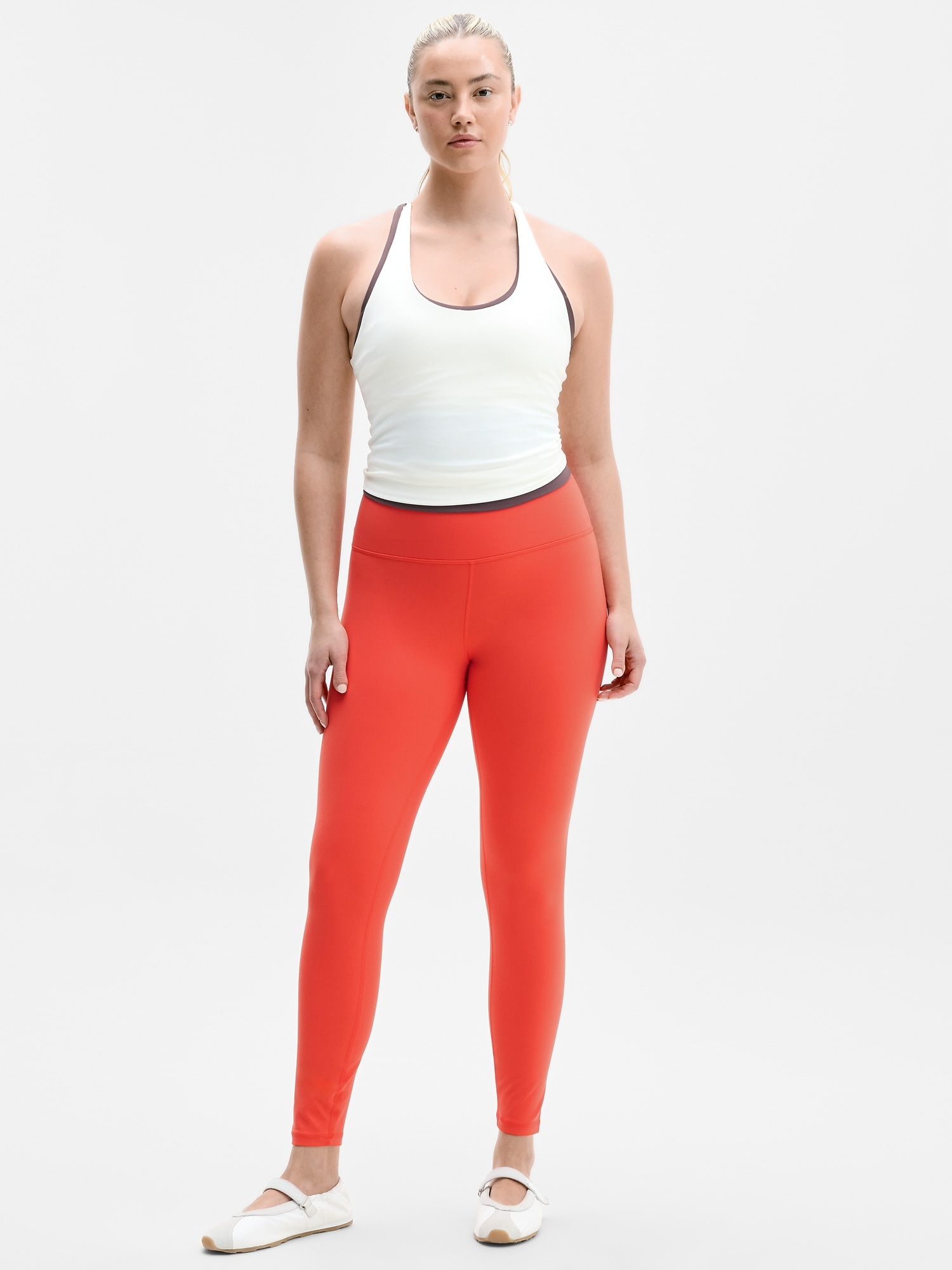
A sports bra is one of the hardest pieces of activewear to buy online. Two bras can look almost the same in a product photo, yet one holds steady on a run while the other is only comfortable for stretching. The details that decide whether a bra works for you, such as support level, sizing system, strap design and lining, are usually spread across the product description and the size guide. This guide explains what to check before you order, whether you need a bra for yoga, the gym, running or all-day wear.
Match the support level to your activity
Most retailers group sports bras by impact level. The labels are not standardized between brands, but they generally mean the following:
- Low impact or light support: yoga, Pilates, barre, stretching, walking and lounging. These bras rely on soft stretch and light compression and often have thin straps or open backs.
- Medium impact: strength training, cycling, hiking and many gym classes. Expect firmer fabric, wider straps and more structure in the band.
- High impact: running, HIIT, jumping, dance cardio and court sports. These usually combine firm compression with molded or foam-reinforced cups, adjustable straps and a wider band.
Your cup size matters as much as the activity. Someone with an A cup may be comfortable running in a medium-support bra, while someone with a DD cup may want high support even for a brisk walk. If you do several kinds of workouts, it is usually better to own two bras for different intensities than to look for one that does everything.
Many stores let you filter by activity or impact, which is a quick way to narrow a long list. Treat the label as a starting point, then check the construction details and reviews to confirm.
Understand how the sizes are listed
Sports bras are sold in two main sizing systems, and mixing them up is one of the most common reasons for returns.
- Band and cup sizes (such as 34C or 36DD) work like everyday bras. They are more common on high-support styles and give the most precise fit, especially for fuller busts.
- Letter sizes (XS to XL or larger) are common on low- and medium-support styles. Some brands split the same design into separate versions for cup ranges, for example one listing for A to C cups and another for D to DD, each with its own XS to XL sizing.
With letter sizing, check both the size chart and the cup range on the listing. A medium in an A to C version will not fit the same as a medium in a D to DD version, even though the name and photos look nearly identical. With band and cup sizing, check which combinations are actually offered, because not every band comes in every cup.
Plus sizes, larger cup sizes and petite or long-torso options are often available only in certain styles. Confirm your size is listed on the specific bra you want, not just somewhere in the store.
Measure yourself before you order
Brand size charts are based on body measurements, so a few minutes with a soft tape measure saves a lot of guesswork. Wear a non-padded bra or none at all, stand straight and keep the tape level and snug but not tight.
- Band or underbust: measure around your ribcage directly under your bust. This is the number most charts use for the band size or letter size.
- Bust: measure around the fullest part of your chest. The difference between bust and underbust is what charts use to estimate cup size.
Compare your numbers with the brand's own chart rather than your size from another store, since charts vary. If you fall between sizes, read the fit notes on the product page and the reviews. Compression bras that run tight often suit sizing up, while bras with adjustable straps and hook closures leave more room to fine-tune. Writing your measurements down also makes it easier to compare brands later.
Check the construction details
Two bras with the same support label can feel very different because of how they are built. These are the features to look for in the description and photos:
- Compression or encapsulation: compression bras press the chest close to the body and suit smaller cup sizes and lower impact. Bras with molded or individually shaped cups support each side separately and are usually more stable for larger cups and high-impact workouts.
- Straps: wide or padded straps spread the load. Adjustable straps let you tighten the fit as the fabric relaxes over time. Racerback designs stay on the shoulders well during running.
- Band: most support comes from the band, not the straps. A wider band and a hook-and-eye or zip closure can make a high-support bra easier to put on and adjust.
- Pads or cups: removable pads let you choose coverage and shape. Check whether pads are sewn in, removable or molded, and whether the listing says they keep their shape after washing.
- Length and style: longline bras cover more of the ribcage and can be worn on their own. Tanks with a built-in bra are convenient for light activity but usually offer less support than a separate sports bra.
- Special fits: some brands note compatibility with mastectomy inserts or offer pocketed styles, which is worth checking if you need them.
Look at fabric, breathability and care
Most sports bras are nylon or polyester blended with spandex, sometimes with mesh panels for airflow. Brands describe their fabrics with trade names and phrases like "buttery soft" or "cooling," so look for the practical details instead: whether the fabric is described as sweat-wicking and quick-drying, how much compression it gives, and whether the lining is described as opaque.
Cotton and modal blends feel soft for lounging and low-impact days, but they hold moisture and are less suited to long or sweaty workouts. For running in warm weather, mesh panels and quick-drying fabric make a noticeable difference in comfort. Care instructions affect how long the support lasts: washing cold, skipping fabric softener and air drying help protect the elastic. Even with good care, sports bras lose support over time, so a bra that feels loose in the band or straps after many washes is likely ready to replace.
Use reviews and return rules to reduce risk
Reviews are especially useful for sports bras because they mention bounce, chafing, sizing and whether pads shift in the wash. Filter by your size or cup range if the site allows it, read several lower-rated reviews for recurring problems, and give more weight to styles with many reviews. A new style with only a handful of ratings is a bigger gamble.
Because fit is personal, ordering two sizes and returning one is common. Before you check out, look at the return window, whether there is a return shipping fee, whether worn items are covered by any performance guarantee, and whether sale items are final sale. When the bra arrives, try it on the loosest hook if it has one, jump and jog in place, raise your arms and twist. The band should stay level without riding up, straps should not dig in or slip, and nothing should pinch. For an example of how one activewear brand lists support levels, cup ranges and return terms, see our Athleta review.
A quick checklist
- Support level matched to your hardest workout and your cup size
- Sizing system understood: band and cup, or letter size plus cup range
- Underbust and bust measured and compared with the brand's own chart
- Your exact size offered in the specific style
- Strap, band, closure and pad details suited to how you move
- Sweat-wicking fabric, opaque lining and care instructions you can follow
- Reviews checked for bounce, chafing and sizing notes
- Return window, return fees and final sale rules confirmed before ordering