How to Choose a Weekender or Duffel Bag: Size, Trolley Sleeve and Under-Seat Fit (What to Check)
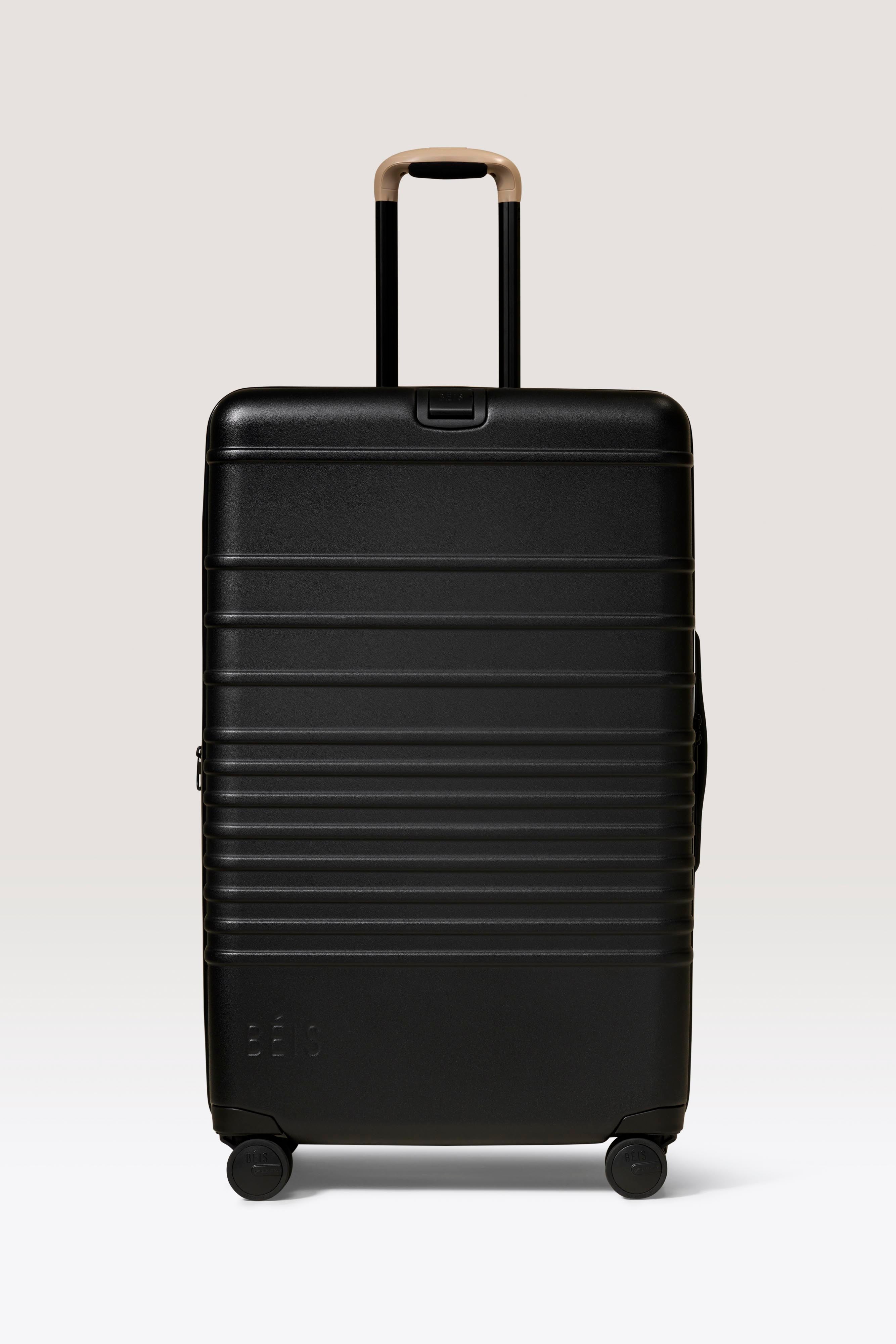
A weekender or duffel bag is often the most-used piece of luggage people own. It works for a two-night trip, as a gym or overnight bag, and as a second piece that rides on top of a suitcase. Because these bags are soft and look roomy in photos, it is easy to buy one that is too big for the airplane seat in front of you, or too small for a long weekend. This guide covers sizing, airline limits, the features that matter and the policies to check, for weekender and duffel bags from any brand.
Decide how you will use it
Start with the main job, because it decides the size and the features:
- Flying with only a personal item on a basic fare: you need a smaller bag that fits under the seat.
- Flying with a carry-on allowance: a larger weekender can go in the overhead bin, often alongside a smaller personal item.
- Riding on top of a roller: a trolley sleeve becomes the most important feature.
- Car, train and gym trips: size limits matter less, so you can prioritize capacity, durability and easy cleaning.
As a rough guide, many brands describe bags of around 25 to 35 liters as suitable for two to four days if you pack light, while bags of 40 liters or more hold a long weekend with extra shoes or bulkier clothes.
Check airline size limits and under-seat fit
Airlines set two different limits, and soft bags are often sold against both. The carry-on limit for the overhead bin is commonly published as about 22 x 14 x 9 inches by many US airlines. The personal-item limit for under the seat is much smaller and varies widely between airlines, so check the exact figure for every airline you fly, including partner airlines on connecting trips.
When you compare a bag with those limits:
- Read all three dimensions. Length, height and depth must each fit, not just the total.
- Remember that soft bags grow when full. The listed depth is usually measured empty or lightly packed. A stuffed duffel can bulge well past it.
- Look at the bag's own claims. Some brands label a bag "personal item size" or "carry-on size." Treat that as a starting point. Many add that fit depends on the airline and how full the bag is.
- Do not rely on reviews alone. A traveler saying a bag fit under their seat tells you about one aircraft and one load, not every flight.
Weight matters as well. A lightweight duffel may weigh around 3 pounds empty, which leaves more of any weight allowance for your belongings, and you will be carrying it on your shoulder through the airport.
Compare capacity, shape and weight
Capacity in liters is the easiest way to compare bags, but shape changes how usable that space is. A structured weekender with a flat base keeps its form and is easier to pack neatly, while an unstructured duffel squashes into tight spaces but can become a shapeless pile. A wide opening, such as a U-shaped zip, makes it easier to see and reach everything inside.
Check the empty weight on the product page, and compare it with similar bags. Leather and heavy canvas look smart but add weight; nylon and polyester are usually lighter. Look at the strap setup too: two top handles plus a padded, detachable shoulder strap is the most flexible, and some bags add backpack straps for longer walks.
Features that earn their place
- Trolley sleeve or pass-through. A strap or panel on the back slides over a roller handle so the bag rides securely on your suitcase. On some bags the sleeve zips closed at the bottom to become an extra flat pocket.
- Shoe or separate bottom compartment. Keeps shoes, gym kit or toiletries away from clean clothes. On some designs the divider unzips to create one large space.
- Padded laptop sleeve. Check the maximum laptop size listed, such as 15 or 16 inches, and whether the sleeve is padded at the bottom.
- Quick-access pockets. An outer pocket for a passport, phone and boarding pass saves digging through the main compartment.
- A water-resistant base and lining. Useful if the bag will sit on wet floors or carry damp gym clothes.
- Durable zips and hardware. Look at what the brand says about zips, buckles and strap attachment points, since these usually fail first.
Matching sets are another factor. If you plan to pair the bag with a roller from the same brand, check whether the sleeve and colors are designed to match. For an example of a brand that lists capacity, empty weight, laptop size and trolley pass-through details for its weekenders and duffels, see our BÉIS review.
Read the care, return and warranty terms
Many fabric weekenders are spot clean only, which matters for a bag that goes to the gym or sits on airport floors. Light colors show marks more quickly. Check the care instructions before you buy if you want something you can wipe down easily.
Before ordering, look at:
- The return window and whether the bag must be unused with tags and original packaging.
- Return fees, such as a handling fee deducted from the refund, and whether original shipping is refunded.
- Personalization. Monogrammed or personalized bags are often final sale.
- Warranty. Some brands give rollers a long warranty but cover soft bags differently. Check what is included for straps, zips and seams, and how to make a claim.
When the bag arrives, pack it at home with what you would really take, measure it fully loaded against your airline's limits, and keep the tags on until you are sure.
A quick checklist
- Main use decided: under-seat, overhead bin, on top of a roller, or car and gym
- All three dimensions compared with your airline's personal-item or carry-on limit
- Capacity in liters matched to trip length, and empty weight checked
- Trolley sleeve, shoe compartment and laptop sleeve size confirmed if you need them
- Strap options and quick-access pockets suited to how you carry it
- Care instructions, return window, fees and personalization rules read
- Warranty coverage for soft bags, straps and zips checked